The What of a Verb Expresses Continuing Actions
- Slides: 24
Download presentation
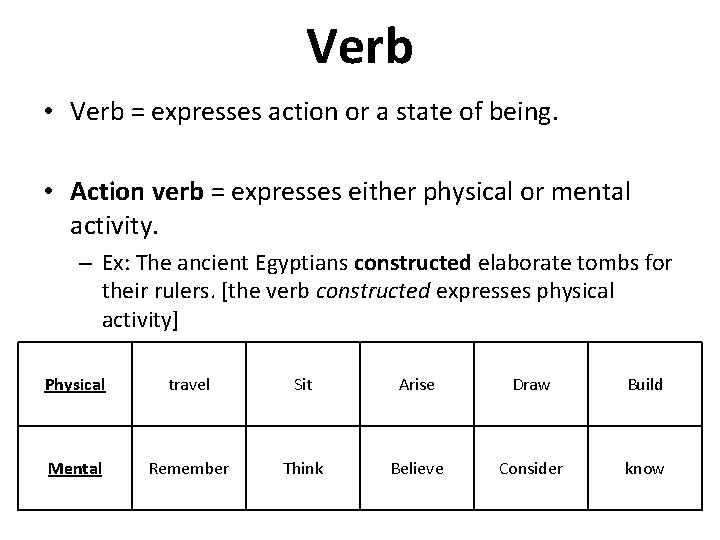
Verb • Verb = expresses action or a state of being. • Action verb = expresses either physical or mental activity. – Ex: The ancient Egyptians constructed elaborate tombs for their rulers. [the verb constructed expresses physical activity] Physical travel Sit Arise Draw Build Mental Remember Think Believe Consider know
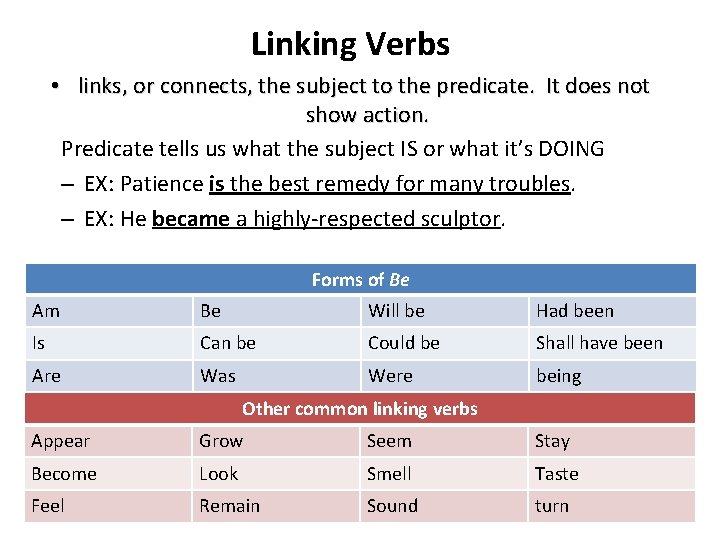
Linking Verbs • links, or connects, the subject to the predicate. It does not show action. Predicate tells us what the subject IS or what it's DOING – EX: Patience is the best remedy for many troubles. – EX: He became a highly-respected sculptor. Forms of Be Am Be Will be Had been Is Can be Could be Shall have been Are Was Were being Other common linking verbs Appear Grow Seem Stay Become Look Smell Taste Feel Remain Sound turn
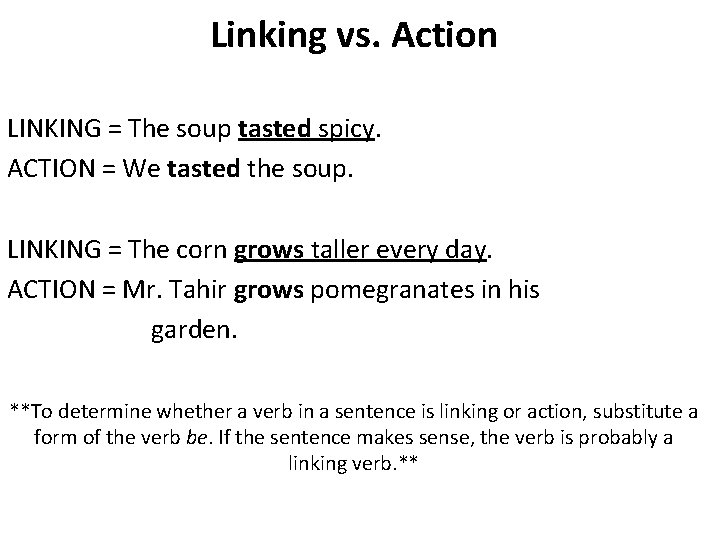
Linking vs. Action LINKING = The soup tasted spicy. ACTION = We tasted the soup. LINKING = The corn grows taller every day. ACTION = Mr. Tahir grows pomegranates in his garden. **To determine whether a verb in a sentence is linking or action, substitute a form of the verb be. If the sentence makes sense, the verb is probably a linking verb. **
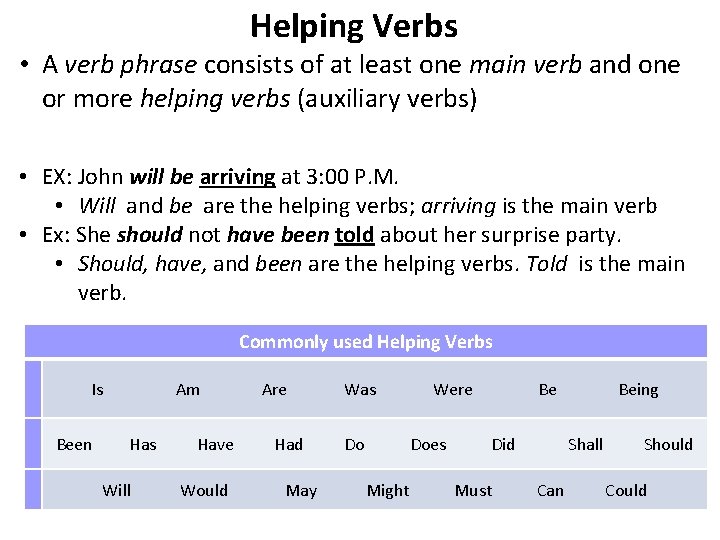
Helping Verbs • A verb phrase consists of at least one main verb and one or more helping verbs (auxiliary verbs) • EX: John will be arriving at 3: 00 P. M. • Will and be are the helping verbs; arriving is the main verb • Ex: She should not have been told about her surprise party. • Should, have, and been are the helping verbs. Told is the main verb. Commonly used Helping Verbs Is Been Am Has Will Have Would Are Had May Was Do Were Does Might Be Did Must Being Shall Can Should Could
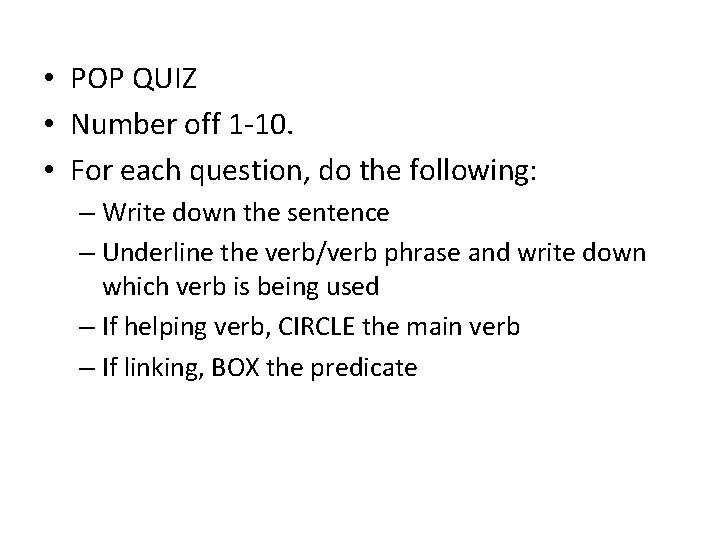
• POP QUIZ • Number off 1 -10. • For each question, do the following: – Write down the sentence – Underline the verb/verb phrase and write down which verb is being used – If helping verb, CIRCLE the main verb – If linking, BOX the predicate

EXAMPLE They are watching television.

They are watching television. Helping Verb
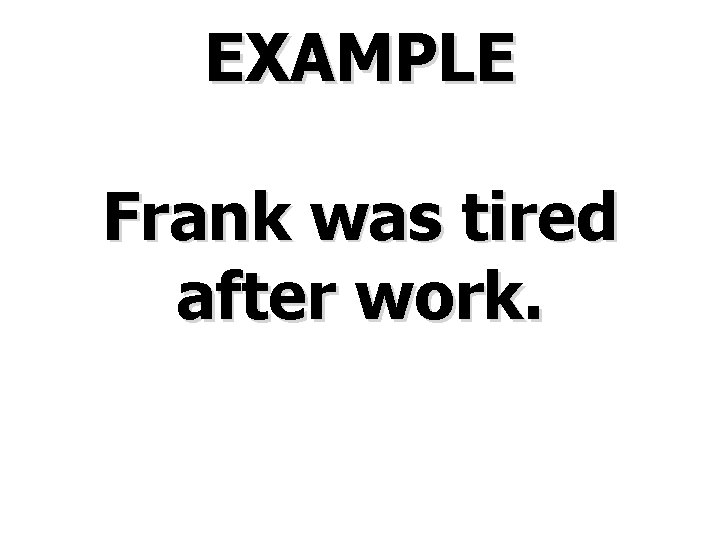
EXAMPLE Frank was tired after work.
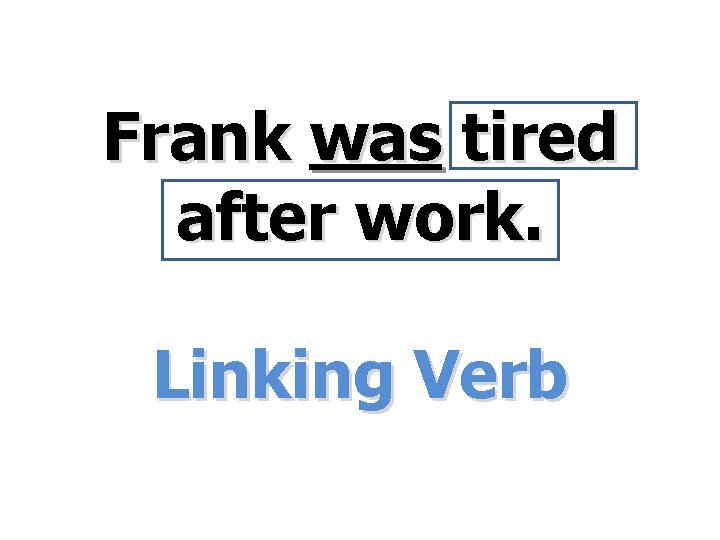
Frank was tired after work. Linking Verb
1. My dad drove his car to the store.
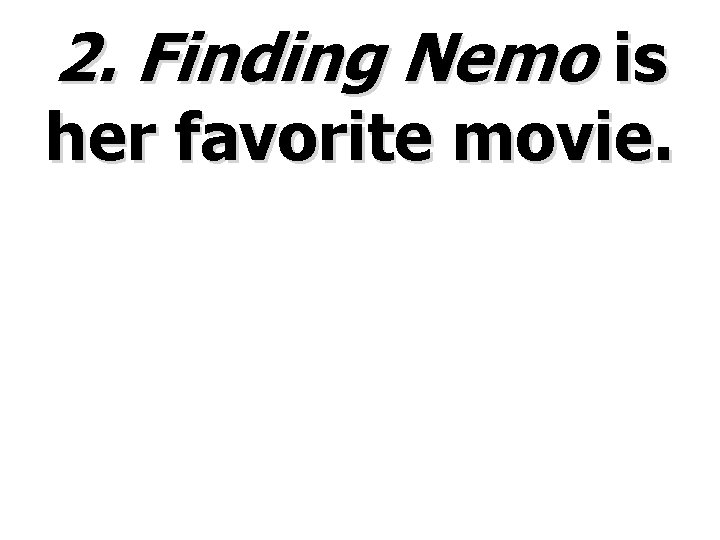
2. Finding Nemo is her favorite movie.

3. I did my homework right after school.
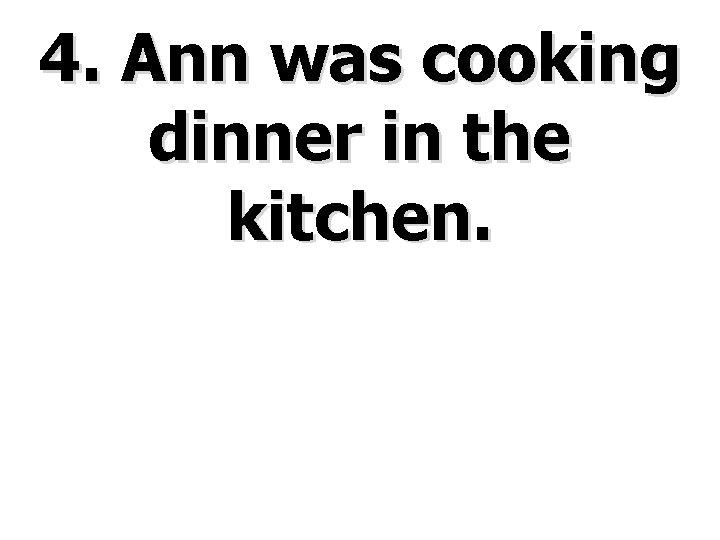
4. Ann was cooking dinner in the kitchen.
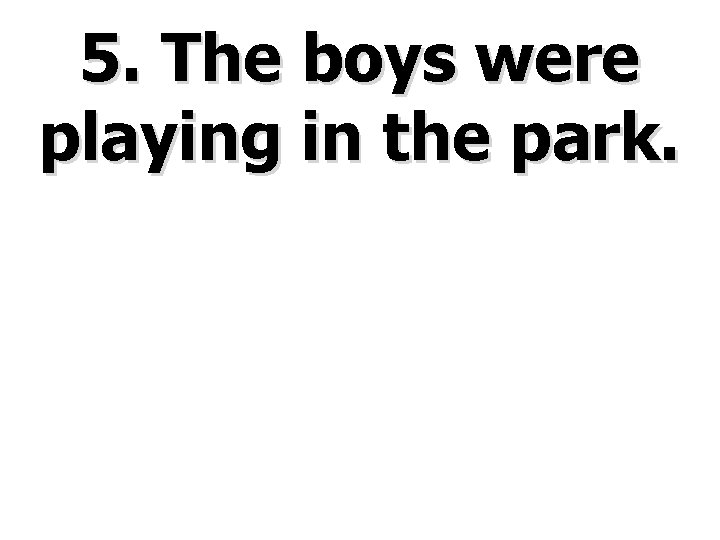
5. The boys were playing in the park.
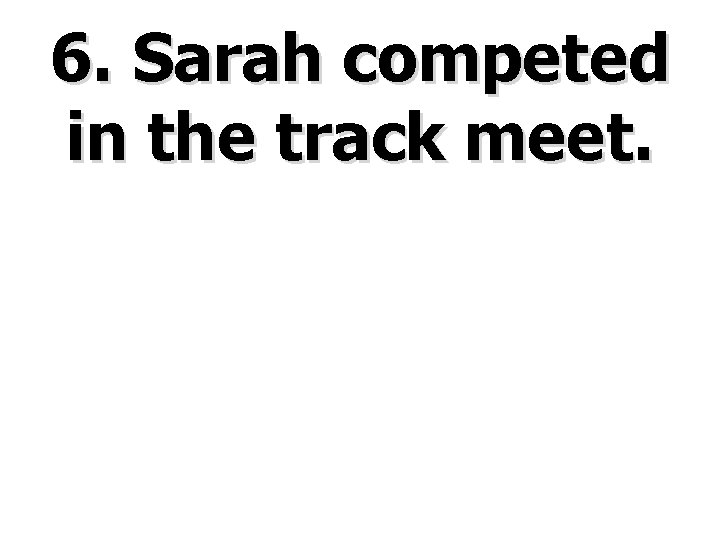
6. Sarah competed in the track meet.
7. The ocean water tastes salty.
8. Thomas raised his hand.
9. Randy is studying for his grammar test.
10. They will be late to the party.

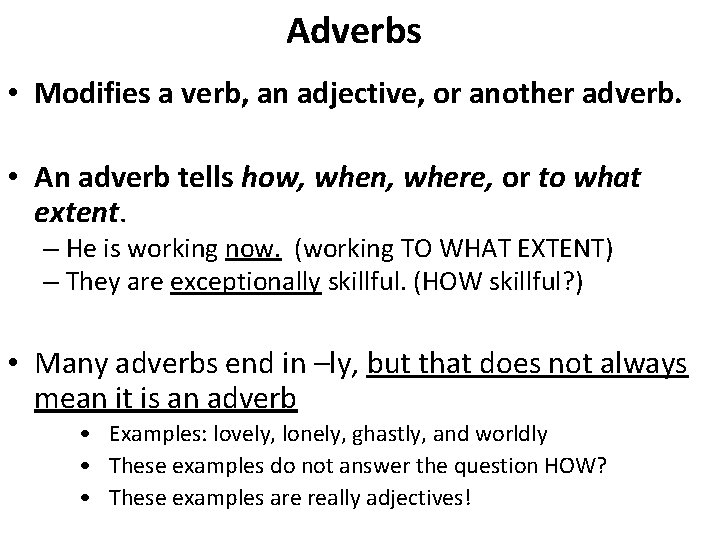
Adverbs • Modifies a verb, an adjective, or another adverb. • An adverb tells how, when, where, or to what extent. – He is working now. (working TO WHAT EXTENT) – They are exceptionally skillful. (HOW skillful? ) • Many adverbs end in –ly, but that does not always mean it is an adverb • Examples: lovely, lonely, ghastly, and worldly • These examples do not answer the question HOW? • These examples are really adjectives!
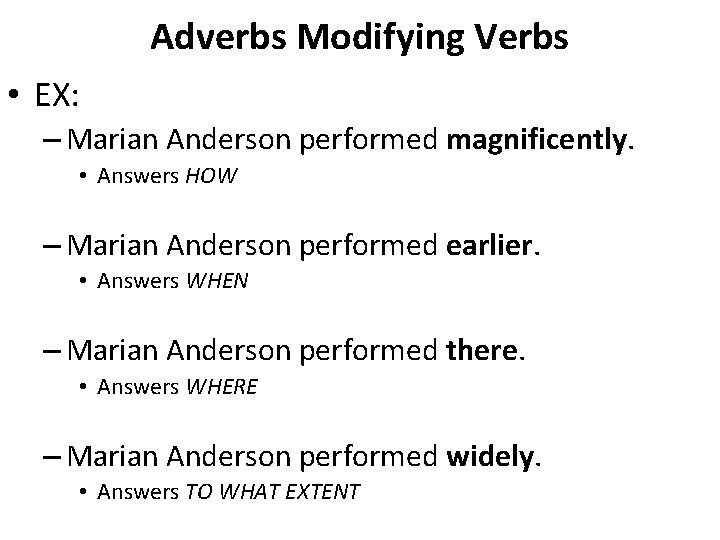
Adverbs Modifying Verbs • EX: – Marian Anderson performed magnificently. • Answers HOW – Marian Anderson performed earlier. • Answers WHEN – Marian Anderson performed there. • Answers WHERE – Marian Anderson performed widely. • Answers TO WHAT EXTENT
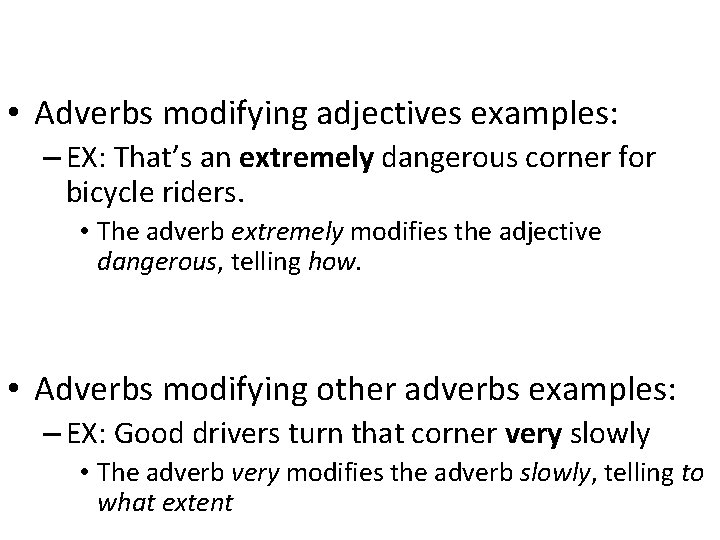
• Adverbs modifying adjectives examples: – EX: That's an extremely dangerous corner for bicycle riders. • The adverb extremely modifies the adjective dangerous, telling how. • Adverbs modifying other adverbs examples: – EX: Good drivers turn that corner very slowly • The adverb very modifies the adverb slowly, telling to what extent
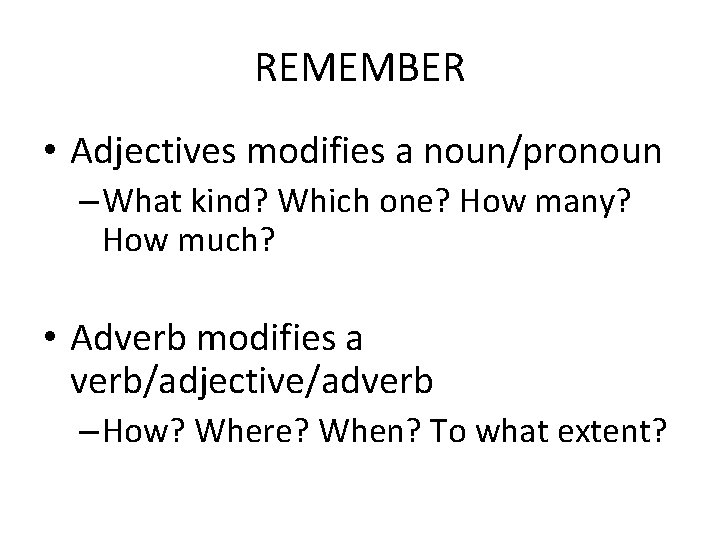
REMEMBER • Adjectives modifies a noun/pronoun – What kind? Which one? How many? How much? • Adverb modifies a verb/adjective/adverb – How? Where? When? To what extent?
Source: https://slidetodoc.com/verb-verb-expresses-action-or-a-state-of/
0 Response to "The What of a Verb Expresses Continuing Actions"
Post a Comment